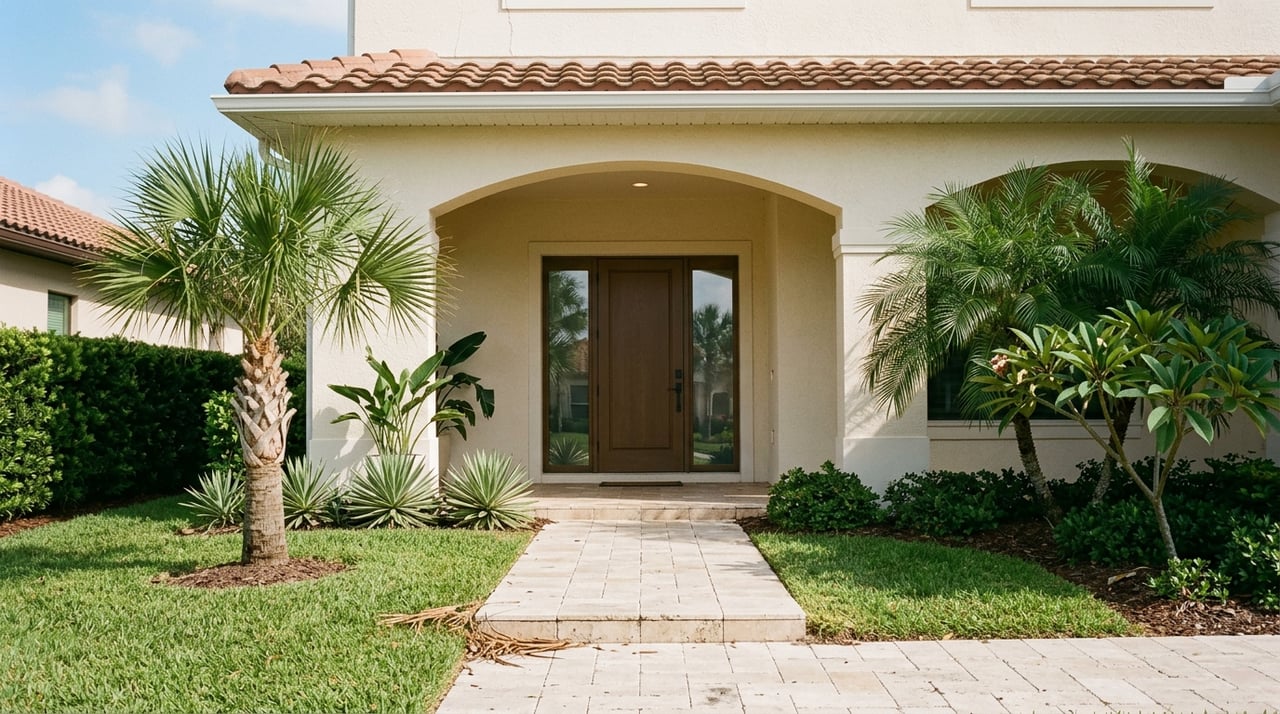
How To Sell In Westchase And Buy Your Next Home
July 2, 2026
July 2, 2026
If you’re trying to sell your Westchase home and buy your next one at the same time, you’re not alone, and you’re not wrong to feel the pressure. Two closings, two negotiations, and one moving timeline can quickly turn a smart plan into a stressful one. The good news is that with the right strategy, you can protect your budget, stay competitive, and keep the process moving with more confidence. Let’s break down how to approach it.
Westchase is moving faster than the broader Hillsborough County market. As of May 31, 2026, Zillow reported a typical home value of $556,360 in Westchase, down 2.3% year over year, with homes going pending in about 25 days and 99 homes for sale. Redfin reported a median sale price of $528,434, a 27-day median on market, and a 97.7% sale-to-list ratio for May 2026.
That matters if you need to both sell and buy. In a market where many homes receive multiple offers and some buyers waive contingencies, timing becomes more than a convenience. It can affect whether your offer gets accepted and how much risk you take on.
At the same time, Westchase is not a market where every home sells instantly at any price. Pricing, property condition, and financing strength still matter. Hillsborough County overall was described by Realtor.com as a balanced market in May 2026, with a median 62 days on market and a 99% sale-to-list ratio, which suggests there may still be room to negotiate on some purchases.
Before you look at homes, get clear on what you can comfortably afford if your move does not line up perfectly. Even a short overlap between homes can get expensive. Freddie Mac reported average mortgage rates of 6.49% for a 30-year fixed loan and 5.84% for a 15-year fixed loan as of June 25, 2026, with rates relatively stable over the prior six weeks.
That rate environment can affect your monthly payment more than many sellers expect. If you may need to carry your current home, a new home, or short-term financing at the same time, your monthly budget needs to be tested before you make decisions.
A mortgage preapproval is usually the first step. The CFPB explains that a preapproval letter is a tentative statement from a lender about how much they may be willing to lend. It is not a guaranteed loan offer, but sellers often expect to see one, and comparing Loan Estimates from multiple lenders can help you make a more informed choice.
There is no one right way to sell in Westchase and buy your next home. The best path depends on how much equity you need from your sale, how much risk you are comfortable with, and how flexible your timeline is.
This is often the most conservative approach. You sell your current home, know exactly how much cash you have available, and then shop for your next property with fewer financing unknowns.
The trade-off is convenience. You may need temporary housing, a rent-back arrangement if available, or a fast move if your next purchase is not ready yet. Still, if you want the clearest budget and the least financial overlap, this is often the cleanest path.
This option can reduce the pressure of finding a home quickly after your sale. It may also help if you want time to move, make updates, or avoid temporary housing.
The challenge is carrying two homes, at least for a while. Your lender will want to see that you can handle the new payment and any extra debt involved in accessing equity before your current home sells.
A home-sale contingency gives you the most protection if you need proceeds from your current home to close on the next one. If your home does not sell, you may be able to avoid being locked into a purchase you cannot comfortably complete.
In Westchase, though, this can make your offer less attractive. Since Redfin reports that many local homes get multiple offers and some buyers waive contingencies, sellers may favor cleaner offers when they have options.
If you want to buy before your current home sells, you may need a bridge strategy. Two of the most common options are bridge loans and HELOCs.
A bridge loan can help you access funds for your next purchase before your current home closes. According to Fannie Mae, bridge or swing loans can be acceptable funds if the bridge loan is not cross-collateralized against the new property and the lender documents that you can carry the payments on your current home, new home, bridge loan, and other obligations.
In simple terms, a bridge loan may help you move first and sell second, but only if your full payment picture makes sense on paper. This can be powerful, but it needs careful planning.
A home equity line of credit, or HELOC, is another way to tap equity before you sell. The CFPB describes a HELOC as an open-end line of credit that lets you borrow repeatedly against your home equity.
A HELOC offers flexibility, but it also comes with variables. Rates are usually variable, minimum payments may apply, and the line can be frozen or reduced if your home value or finances change. That makes it useful in some cases, but usually less predictable than using cash from a completed sale.
When you buy your next home, the strongest offer is not always the safest one. The CFPB recommends financing and inspection contingencies so you are not locked in if the loan falls through or the inspection uncovers serious issues.
Those protections matter, especially in a two-transaction move. But in a market like Westchase, where multiple offers can happen, every contingency can affect how a seller views your offer.
This is where strategy matters most. If speed and certainty are your top goals, bridge financing or a HELOC may let you make a cleaner offer. If protecting your downside matters more, a sale contingency may be worth the trade-off.
If your sale needs to fund your next move, pricing well is not just a marketing choice. It is a timing decision.
Westchase homes were going pending in about 25 to 27 days in the latest available data, but that does not mean every listing will move at the same pace. A home that is priced too high or shows deferred maintenance may sit longer, which can put your next purchase at risk.
A smart listing plan should focus on realistic pricing, strong presentation, and early preparation. The goal is not just to get on the market. It is to position your home to attract serious buyers quickly and keep your move on schedule.
One of the safest ways to manage a sell-buy move is to work backward from your ideal move date. That gives you a framework for listing, shopping, inspections, loan steps, packing, and utility changes.
The CFPB recommends reviewing your Closing Disclosure at least three business days before closing and comparing it with your Loan Estimate. It also recommends inspecting the home, confirming agreed repairs, and making transition arrangements from your current property.
You should also plan for the practical side of moving. That includes utility updates, service transfers, and address changes after the move. Small tasks feel much easier when they are built into the calendar early.
In Florida, your move math is not just about sale price and mortgage payment. Property taxes matter too.
The Florida Department of Revenue says your homestead exemption does not transfer when you move, but eligible homeowners may transfer all or part of their Save Our Homes assessment difference to a new Florida homestead. Save Our Homes generally limits annual assessment increases on homestead property to the lower of 3% or the change in CPI.
If you may qualify, review portability early. The Department of Revenue says Form DR-501T must be filed with Form DR-501 by March 1 of the first year after moving, and the new homestead must be established within three years of January 1 of the year the old homestead was abandoned.
This is easy to miss during a busy move, but it can affect how you think about net proceeds, monthly ownership costs, and the overall budget for your next home.
A strong sell-buy plan often comes down to a few clear steps:
When these pieces work together, you are in a much better position to act quickly without losing sight of risk.
If you’re planning a move in Westchase, the best outcomes usually come from clear preparation, smart timing, and steady guidance through both sides of the transaction. The Pithers Group helps Tampa Bay buyers and sellers navigate complex moves with polished strategy, strong communication, and hands-on support from listing to closing.
Stay up to date on the latest real estate trends.


Whether you're a first-time buyer or a seasoned investor, connecting with us means staying ahead of the curve. Contact the Pithers Group today and unlock a world of possibilities.