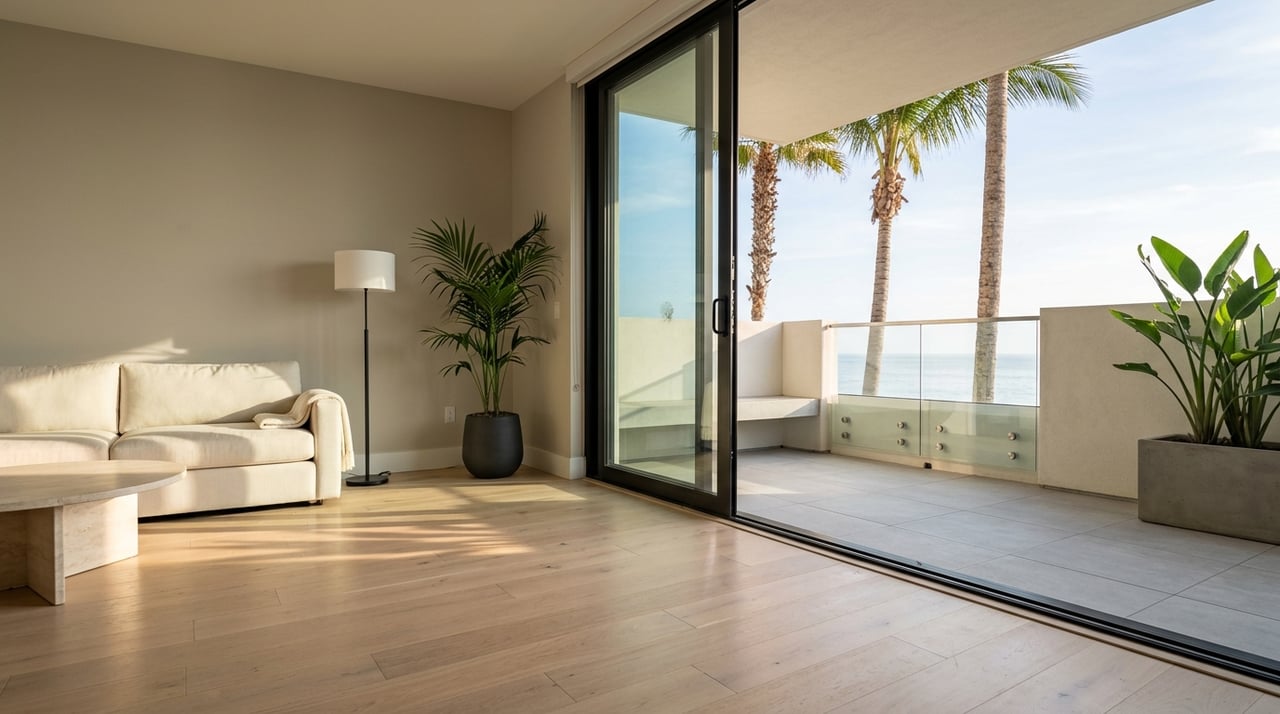
Where Lifestyle Shines In St. Petersburg
July 9, 2026
July 9, 2026
What makes St. Petersburg feel so magnetic? For many buyers, it is not just the sunshine or the waterfront. It is the fact that St. Pete offers several distinct ways to live, often within a relatively compact city. If you are trying to figure out where your lifestyle fits best, this guide will help you compare the city’s most recognizable areas and what daily life may look like in each one. Let’s dive in.
St. Petersburg combines coastal geography with a city layout that is large enough to offer variety but compact enough to stay connected. The U.S. Census Bureau estimates the city had 264,033 residents as of July 1, 2025, across 61.82 square miles of land. The St. Petersburg Police Department describes the city as 60 square miles with 244 miles of shoreline and an average of 361 days of sunshine.
That mix shapes how people experience the city. In St. Pete, neighborhood choice often comes down to walkability, access to the water, and the character of the streets as much as commute time. Instead of thinking about the city as one uniform market, it helps to think of it in lifestyle clusters.
If you picture an active, walkable, arts-oriented version of St. Petersburg, downtown is usually where that vision starts. The area is especially park-rich, with the Downtown Partnership reporting 27 parks, 7 contiguous miles of waterfront greenspace, 4 marinas, and 1 pier within downtown alone.
The same source notes that citywide, St. Petersburg includes 4,488 acres of parkland, 182 public parks, 75 miles of Pinellas Trail, 9 public boat ramps, and 5 beaches. It also reports that 78% of residents live within a 10-minute walk of a park. For many buyers, that translates into a lifestyle that feels outdoorsy and connected even in the urban core.
Downtown stands out for mobility. The Downtown Partnership reports a Walk Score of 90 and a Bike Score of 93 for the downtown area, which helps explain why so many residents choose it for an easy, car-light lifestyle.
Transit also plays a role here. PSTA says the SunRunner runs every 15 minutes and connects St. Pete Beach to downtown in about 35 minutes, serving downtown, USF St. Pete, Tropicana Field, Grand Central, EDGE, Bayfront, Johns Hopkins All Children’s Hospital, and South Pasadena.
Downtown and its nearby districts are central to St. Pete’s creative identity. The Downtown Partnership points to live music halls, performance venues, museums, galleries, murals, and street performers as key pieces of the experience.
The Pier District adds another layer to that lifestyle. Its 26-acre waterfront park includes food and drink, a beach, picnic areas, playgrounds, watercraft launches, outdoor art installations, a fishing deck, the Tampa Bay Watch Discovery Center, and a local vendor marketplace.
The Waterfront Arts District also gives downtown a distinctly St. Pete feel. This waterfront cultural corridor includes The Dalí Museum, the Mahaffey Theater, the Museum of Fine Arts, The James Museum, and the Vinoy as part of its broader footprint.
For some buyers, the best fit is not the center of downtown itself but the nearby districts that blend creative energy with a slightly different rhythm. These areas give you access to arts, dining, and local businesses while offering their own identity block by block.
The Central Arts District spans the 300 to 700 blocks from First Avenues North to South. According to the Downtown Partnership, it mixes new development with historic structures, live music venues, and restaurants.
This area tends to appeal to people who want to be close to activity and culture on a regular basis. It offers an urban feel that is tied closely to St. Pete’s creative reputation.
The EDGE District emphasizes preservation-based revitalization, public art, boutiques, galleries, and dining. Grand Central, a nationally and state-designated Main Street district, includes 450 locally owned businesses and is described by the Downtown Partnership as pedestrian- and bicycle-friendly.
These areas often stand out for buyers who want a walkable setting with strong local business presence. They also provide a good example of how St. Pete blends older structures, adaptive reuse, and modern city living.
The Warehouse Arts District adds another option for buyers drawn to creativity and local character. The Downtown Partnership describes it as a former industrial area that has grown into a highly walkable and bikeable creative ecosystem with hundreds of artists and monthly ArtWalk activity.
If your ideal setting includes studios, maker spaces, and an evolving streetscape, this district may deserve a closer look. It is one of the clearest examples of how St. Pete’s arts culture extends beyond the waterfront.
If your version of St. Petersburg includes porches, mature trees, brick streets, and older architecture, several neighborhoods stand out. These areas offer a different lifestyle from downtown condos or newer coastal homes, with more emphasis on streetscape character and architectural detail.
The city’s preservation system supports that distinction. St. Petersburg maps local and National Register historic districts, landmarks, historic trolley lines, African American Heritage Trails, brick streets, and hexagon block sidewalks, helping preserve the visual identity of older areas.
Historic Old Northeast is one of the best-known character-rich neighborhoods near downtown. It borders downtown and includes nearly 3,000 historic buildings, with a mix of Mediterranean and bungalow-style homes, brick streets, and granite curbs.
The neighborhood also includes North Shore Park and Coffee Pot Bay, along with bus service into downtown. For many buyers, that means you can enjoy historic surroundings while staying close to the waterfront and urban core.
Historic Roser Park offers another established setting with distinct architectural appeal. It is described as having many private homes in Mediterranean and Spanish styles, 146 historic buildings, and Booker Creek running through the neighborhood.
It also includes an award-winning outdoor museum with 28 markers that interpret the neighborhood’s history and setting. Buyers who value a neighborhood with a strong sense of place often find this area especially memorable.
Historic Kenwood is a natural fit if you are drawn to bungalows and a creative neighborhood feel. It is described as a historic neighborhood filled with charming bungalows and green space, along with galleries, studios, and art events on brick streets.
The neighborhood is also known for BungalowFest and summer events in Seminole Park. That mix of architecture, local arts activity, and shared public space gives Historic Kenwood a lifestyle profile all its own.
If water access and scenic surroundings top your list, St. Petersburg has neighborhoods that speak directly to that goal. These areas tend to appeal to buyers who prioritize boating, views, and a more residential coastal setting.
Citywide amenities support that kind of lifestyle. The Downtown Partnership reports that St. Petersburg has 4 marinas, 9 public boat ramps, 7 nature preserves, 5 beaches, and a shoreline-heavy geography that shapes daily life in many parts of the city.
Snell Isle is one of the clearest examples of water-oriented living in St. Petersburg. It sits along Coffee Pot Bayou, Smacks Bayou, and Tampa Bay, has its own harbor, and connects to downtown by Snell Isle Boulevard.
The Renaissance Vinoy Golf Club sits at the center of the community, and nearby parks add open space and walking access. For buyers who want proximity to downtown without giving up a scenic residential setting, Snell Isle often enters the conversation early.
Bayway Isles offers a more island-like setting. It consists of two islands extending from the Pinellas Bayway causeway to Boca Ciega Bay and sits at the edge of an aquatic preserve.
The area is framed by open water, water sports, Fort DeSoto Park, and St. Pete Beach. If you are seeking a coastal environment that feels more tucked away and distinctly residential, Bayway Isles is one of the strongest matches in the city.
In waterfront areas especially, lifestyle and property research should go hand in hand. The City of St. Petersburg Office of Emergency Management handles citywide planning, mitigation, preparedness, response, and recovery, and directs residents to tools such as Alert St. Pete and Pinellas County’s Know Your Zone resources.
For buyers exploring waterfront or coastal homes, that makes flood zone review, evacuation planning, and insurance questions especially important. A home’s setting can be a major part of its appeal, but understanding the practical side of coastal ownership is just as important.
A simple way to narrow your search is to start with how you want everyday life to feel. In St. Petersburg, different parts of the map line up clearly with different priorities.
The key takeaway is simple: St. Petersburg does not offer just one lifestyle. It offers several, and each one shines in a different part of the city.
If you are comparing neighborhoods in St. Petersburg, the right move is often less about finding the most talked-about area and more about finding the one that fits how you want to live. For tailored guidance on condos, historic homes, waterfront properties, relocation, or your next move in Tampa Bay, connect with The Pithers Group.
Stay up to date on the latest real estate trends.

Whether you're a first-time buyer or a seasoned investor, connecting with us means staying ahead of the curve. Contact the Pithers Group today and unlock a world of possibilities.