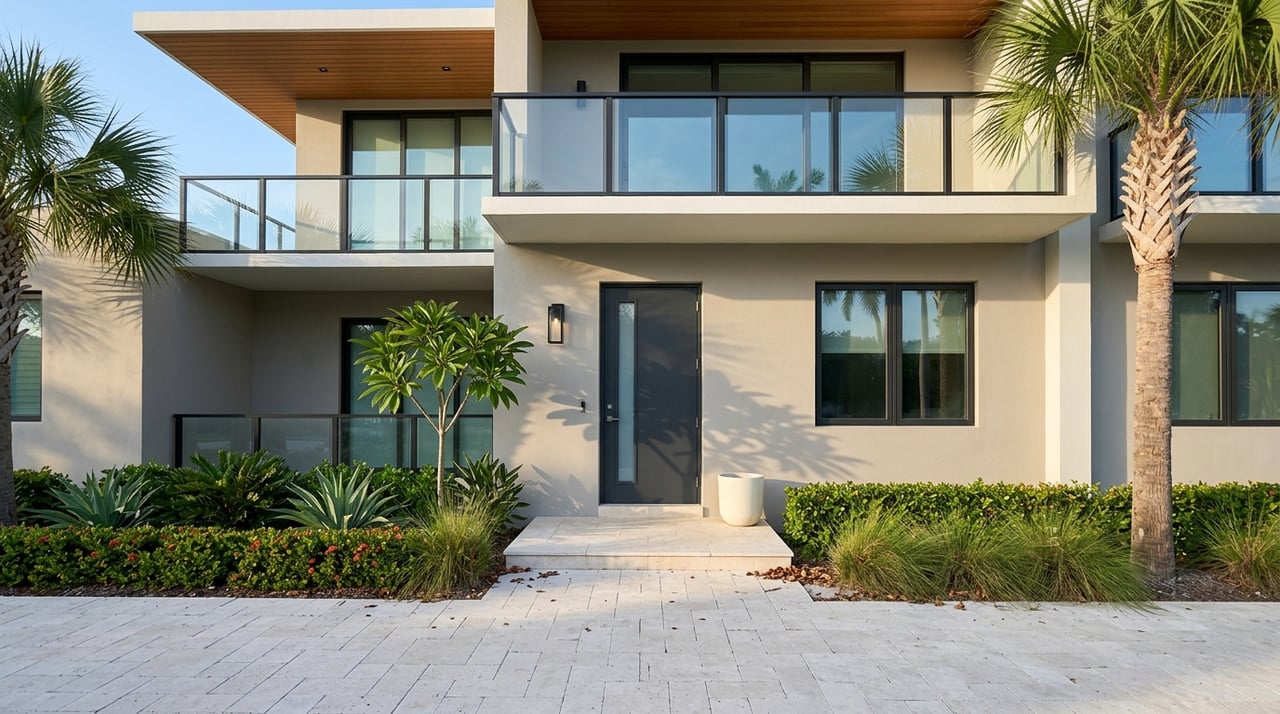
Is A Condo Or House Better In St. Petersburg?
July 16, 2026
July 16, 2026
Trying to decide between a condo and a house in St. Petersburg? It sounds like a simple choice, but in Pinellas County, the real answer often comes down to ownership costs, flood exposure, insurance structure, and how you plan to use the property. If you are buying a primary home, seasonal place, or second home, the right fit is usually less about the label and more about how the property supports your lifestyle and budget. Let’s break down what matters most.
In St. Petersburg, both condos and single-family homes can be great options, but they come with different responsibilities. A condo often appeals to buyers who want lower day-to-day exterior maintenance and a more lock-and-leave setup. A house often appeals to buyers who want more control over repairs, storage, outdoor space, and renovation timing.
That said, local conditions matter. In a coastal market like St. Petersburg, flood risk, storm planning, insurance coverage, and association governance can affect your costs and decision just as much as the property type itself.
Pinellas County notes that flooding can occur anywhere, not just in the highest-risk areas. The county also states that most homeowners policies do not cover flood damage, and flood insurance has a 30-day waiting period. For buyers using federally backed financing, flood insurance is generally required in FEMA Special Flood Hazard Areas.
This is one reason a condo is not automatically the lower-risk choice. Even if you own an upper-floor unit, Pinellas County warns that you should not assume you are outside flood risk if lower levels of the building flood. In St. Petersburg, the better question is often not “condo or house?” but “what are the real ownership risks and costs of this specific property?”
A condo can be a strong fit if you want convenience and less direct exterior upkeep. Many buyers like the idea of having common-area maintenance and some building responsibilities handled through the association. For seasonal owners or buyers who travel often, that can be a major advantage.
Still, condo ownership is not hands-off. Florida’s Department of Financial Services explains that condo owners generally need HO-6 coverage, and the association’s master policy typically does not cover personal property or several interior items such as appliances, cabinets, floor coverings, wall coverings, ceiling coverings, and window treatments.
One of the biggest mistakes buyers make is focusing only on the monthly condo fee. In Florida, reserve funding and structural review requirements now play a much bigger role in condo ownership. For residential condo buildings that are three habitable stories or higher, associations must complete a structural integrity reserve study at least every 10 years.
Florida law also requires reserve accounts to fund major items such as roof replacement, painting, pavement resurfacing, and other deferred maintenance items above the statutory threshold. The law warns that waiving or reducing reserves can expose owners to unexpected special assessments. For buyers in St. Petersburg, that makes the association’s budget and reserve health a critical part of due diligence.
If you are thinking about a second home, seasonal use, or occasional rental income, condo rules deserve close attention. Florida law says amendments that prohibit renting, change rental terms, or limit the number of rentals apply to owners who consent and to buyers who take title after the amendment becomes effective.
That means rental flexibility can vary widely from one building to another. A condo may be a great fit for a part-time owner, but only if the association’s leasing rules match how you plan to use the property.
A single-family home often gives you more autonomy. You may have greater freedom over landscaping, maintenance timing, storage, exterior changes, and how you use the property day to day. For buyers who want more privacy or simply prefer direct control, that can be very appealing.
But a house also shifts more responsibility directly to you. Florida’s Department of Financial Services explains that a standard HO-3 homeowner policy typically covers the dwelling, unattached structures, personal property, liability, and medical payments. In practical terms, that usually means you are budgeting personally for more of the exterior upkeep and replacement cycle rather than sharing those costs through an association.
If you value making repair decisions on your own timeline, a house may feel simpler. You are generally not relying on an association board for building-level decisions, reserve planning, or common-area expenses. That can be helpful if control is one of your top priorities.
For some St. Petersburg buyers, especially those comparing a primary residence with a seasonal property, that flexibility is a major deciding factor. The tradeoff is that the maintenance, insurance planning, and flood review still need to be handled carefully.
In St. Petersburg, flood-zone review can matter more than whether you buy a condo or a house. Pinellas County states that flood insurance can be written for contents only, building only, or both. The county also offers free flood-insurance technical assistance, which shows how important property-specific review is in this market.
For a condo, you will want to understand both your personal coverage needs and the building’s master policy. For a house, you will want to understand whether separate flood coverage is needed and how that changes your monthly and annual ownership costs. Either way, this should be reviewed early, not after you are under pressure to close.
For many buyers, especially those choosing between a full-time home and a second home, tax treatment can be just as important as maintenance style. Pinellas County says the homestead exemption is for bona fide Florida residents who make the property their permanent home on January 1. The exemption ends if the property is rented or otherwise no longer used as the homestead.
Homesteaded property in Pinellas County also receives annual assessment protection of 3% or CPI, whichever is lower. If you are comparing a house and condo as possible primary residences, that protection may influence your long-term cost planning.
Pinellas County also explains that property-tax bills are built from multiple levies, including county, school, municipality, water-management districts, and special districts. So even two similar St. Petersburg properties can carry different tax bills. That is why tax questions should be reviewed on the exact property, not assumed from a listing summary.
The better choice usually comes down to how you want to live and what kind of responsibility you are comfortable managing. A condo often fits buyers who want simpler day-to-day maintenance and are comfortable with association governance, dues, reserve funding, and shared decision-making. A house often fits buyers who want more direct control over space, repairs, and property use.
Here is a simple way to think about it:
In St. Petersburg, smart due diligence can make the decision much clearer. Before choosing a condo or house, ask the right professionals the right questions.
Fannie Mae’s second-home rules are occupancy-specific, so the property label alone does not tell the full story.
Florida law requires important disclosure materials in condo resale transactions, including governing documents, financial statements, budgets, inspection summaries if applicable, and the most recent structural integrity reserve study or a statement that none has been completed.
These questions can help you compare properties more accurately, especially when one option appears cheaper on paper at first glance.
These answers can significantly affect the true cost of ownership over time.
If you are choosing between a condo and a house in St. Petersburg, there is no one-size-fits-all answer. Condos often offer convenience and easier day-to-day maintenance. Houses often offer more control and flexibility.
In Pinellas County, though, the best choice usually depends on the specific property’s flood exposure, insurance setup, reserve health, leasing rules, and tax treatment. When you evaluate those factors alongside your lifestyle goals, the right path becomes much easier to see.
If you want help comparing condos, houses, second homes, or waterfront options in St. Petersburg, The Pithers Group brings the kind of clear, experienced guidance that helps you make a confident move.
Stay up to date on the latest real estate trends.

Whether you're a first-time buyer or a seasoned investor, connecting with us means staying ahead of the curve. Contact the Pithers Group today and unlock a world of possibilities.