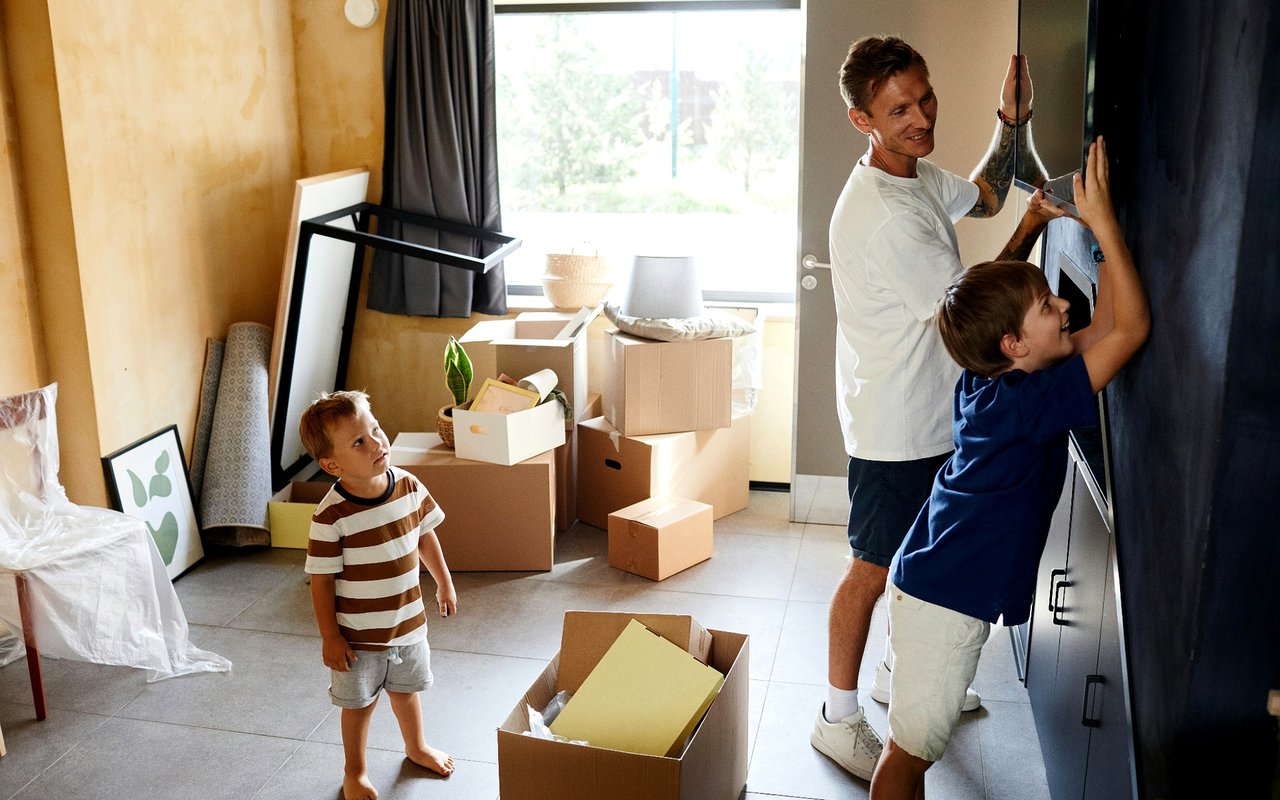
Moving to a new home is one of the most exciting chapters in life, but it can also be one of the most stressful, especially when kids are involved. After all, the transition means more than just packing up your belongings in boxes. It’s about creating a smooth, comfortable experience for your children while you handle the endless logistics of relocating.
Many parents wonder how they can balance the demands of moving while keeping kids happy and reassured throughout the process. The good news is that with the right planning and solid strategies, you can make the move more manageable and a positive adventure.
The key is understanding that moving with kids requires a different approach. Children experience change in unique ways, and a new home often comes with both excitement and anxiety. As you read through the following tips, you’ll find ways to reduce stress, involve your kids in meaningful ways, and ensure that the entire crew feels confident about the move.
Start Talking About The Move Early
Children thrive on routine and familiarity. The idea of moving to a new home, city, or even state can feel overwhelming if it comes as a surprise. So, begin talking about the move as soon as possible so that they have time to process the upcoming change. Frame the conversation in a positive way, focusing on what they’ll enjoy about the new home, whether that’s a bigger backyard, nearby parks, or new friends they’ll meet.
Younger children may need simple explanations, while older kids often want details. Be honest but reassuring. Acknowledge their concerns, and let them know that it’s okay to feel nervous. This kind of open communication gives kids a sense of stability and helps them prepare mentally for what’s ahead.
It also helps to revisit the topic often rather than treating it as a one-time announcement. Regular conversations about the move keep your kids engaged and allow them to share their feelings as they change over time. This can prevent last-minute stress.
Involve Kids In The Planning Process
One of the best ways to help kids feel comfortable with a move is to let them be part of the planning. Even small decisions can give them a sense of control during a time of change.
For instance, younger kids might enjoy picking out colors for their new room or choosing a favorite toy to keep close during the move. Older children can help create moving checklists, pack up their belongings, or research fun exploration points near your new home.
When kids feel included, this shift in perspective helps ease resistance and gives them something to look forward to. Turning the move into an adventure can make a remarkable difference in how your children view the change.
Create A Moving Timeline That Works For Everyone
Organization is key when moving with kids, and a timeline can keep everything on track. Start by breaking down the move into stages, from decluttering and packing to saying goodbye to your current home. Share the timeline with your kids so that they can see what’s happening and when. Visual reminders, like a calendar with stickers or drawings, can be especially helpful for younger children.
Having a timeline reduces the feeling of chaos that often comes with moving. It also allows kids to anticipate milestones, such as their last day at their old school or the first night in the new house. This sense of predictability is reassuring and helps them transition more smoothly.
You’ll also find that creating a timeline gives you a sense of structure during a busy season. While flexibility is important — because unexpected delays can happen — having a general roadmap ensures that everyone in the household stays focused and prepared.
Keep Routines Consistent
Amid the chaos of boxes and moving trucks, kids find comfort in routines. Stick to familiar meal times, bedtime rituals, and daily activities as much as possible. Even small consistencies, like reading a bedtime story or enjoying Saturday morning pancakes, can make a world of difference.
This stability reminds kids that while their environment may be changing, their daily life still has reliable anchors. Routines are especially important in the days leading up to the move, when stress levels can be higher. By keeping some things predictable, you can provide your kids with a sense of normalcy and reassurance.
After the move, work to re-establish these routines quickly. Unpack the essentials first — like bedding, favorite toys, or school supplies — so that kids can settle back into their rhythms without too much disruption.
Prepare A Special Moving Day Bag
Moving day can be long and unpredictable. Having a bag prepared for your kids with the essentials and comfort items makes the day much smoother. Pack snacks, water, changes of clothes, favorite toys, and anything they’ll need for downtime. For younger kids, include beloved stuffed animals or blankets. For older ones, headphones, books, or tablets can keep them entertained.
A special moving day bag ensures that your kids have what they need without digging through packed boxes. It also gives them a sense of independence, knowing their favorite items are within reach. Having these items nearby can be calming during an otherwise busy and unfamiliar day.
Make Saying Goodbye Meaningful
Leaving a home often stirs up emotions for kids. They may feel sad about leaving friends, neighbors, or favorite places behind. Acknowledging these feelings is important, and creating a farewell ritual can help them process the transition.
Consider hosting a goodbye playdate, visiting favorite spots one last time, or creating a memory box filled with photos and keepsakes. Encourage kids to share what they’ll miss most and what they’re excited to discover in the new home.
This process not only helps children say goodbye in a healthy way but also gives them a sense of closure. By honoring the old while looking forward to the new, you can help ease the emotional weight of moving.
Focus On The Exciting Parts Of The New Home
While kids may dwell on what they’re leaving behind, it’s just as important to highlight what they’re gaining. Talk about the fun aspects of the new home, whether it’s more space to play in the yard, a new park nearby, or opportunities to make friends. Drive by the new house in advance if possible or show them pictures so that they can visualize what’s ahead.
Framing the move in terms of new opportunities helps kids reframe their perspective. Instead of feeling like something is being taken away, they will begin to see the adventure of what’s ahead. This positive outlook can reduce resistance and increase enthusiasm.
Unpack Kids’ Rooms First
When you arrive at your new home, prioritize setting up your kids’ rooms. Having their personal space ready makes them feel more grounded in the new environment. Arrange familiar items like bedding, toys, and furniture right away to create a sense of continuity.
Children often feel unsettled when surrounded by boxes and unfamiliar rooms. By giving them a ready-to-use space, you can provide comfort and stability during the first days of the move. It also gives kids a sense of ownership over the new home, which is key in helping them adjust.
Explore The New Neighborhood Together
Once the essentials are unpacked, take some time to explore your new surroundings. Visit nearby parks, shops, and activities that will become part of your daily life. This exploration turns the unknown into the familiar and helps kids feel more connected to their new environment.
Children are naturally curious, and exploring together can turn the move into an adventure. Try finding a local ice cream shop, library, or playground as a first outing. These early experiences create positive associations with the new setting and help ease the adjustment process.
Exploring together also gives you the chance to establish new routines and traditions that your kids will look forward to. It’s a valuable step in making the new house feel like home.
Be Patient With The Adjustment
Moving is a major change, and kids may need time to fully adjust. Some children adapt quickly, while others might take longer. It’s normal for emotions to fluctuate in the weeks following a move. Be patient, listen to their concerns, and offer reassurance when needed.
Encourage your kids to talk openly about how they’re feeling. Let them know it’s okay to miss the old home while still enjoying the new one. This balance helps kids embrace change without feeling guilty about their emotions.
Remember that your own attitude sets the tone. By showing positivity and flexibility, you can model resilience for your children. Over time, the new home will feel comfortable and familiar, but patience is key during the adjustment period.
Turn Moving Day Into a Fresh Start
Moving with kids can feel like a daunting task, but with the right strategies in place, it becomes an opportunity to strengthen your bond and start a new adventure. By focusing on the logistical and emotional aspects of relocating, you can make the process smoother and create positive memories to carry forward.
When you’re ready to make your next move with the whole crew, having trusted guidance makes all the difference.
Jason & Dyan Pithers with The Pithers Group at Coldwell Banker Realty raised two children in Tampa Bay. They know the schools and sports dynamics well and can help with all your questions. Whether you’re looking for the perfect home in Odessa or want expert advice on navigating the buying process, they’ll be there every step of the way. Let them help you find the home of your dreams, where new memories are ready to be made.