By Jason & Dyan Pithers with The Pithers Group at Coldwell Banker Realty
Home value often comes down to details that feel highly local, like whether a property backs to golf course views or falls within a neighborhood section with larger lots and more updated interiors. We look closely at street placement, floor plan, outdoor living, and the condition of features like pools, lanais, and kitchens because those elements shape how a home is received.
The clearest way to understand value here is to study the home in relation to its immediate competition and the lifestyle it offers within the community.
Key Takeaways
- Location: Value changes by street and section
- Condition: Updates affect pricing quickly
- Comparison: Recent nearby sales matter most
- Strategy: Presentation influences final value
Start With the Exact Location
Westchase in Tampa has a recognizable identity, though value still changes noticeably from one pocket to another within the community.
The location details we review first
- Village proximity: Homes near West Park Village often benefit from walkable access to dining and services.
- Golf course setting: Fairway views and lot orientation can influence appeal.
- Street character: Cul-de-sacs, mature landscaping, and lower-traffic streets often carry more interest.
- Lot profile: Corner lots, conservation edges, and backyard privacy all matter.
These details help explain why two homes with similar square footage can perform differently.
Use Comparable Sales With a Narrow Lens
Comparable sales are essential, though they only help when the comparison is truly close in style, size, condition, and setting.
The comparable points that matter most
- Recent timing: Sales from the most current market period carry the most relevance.
- Model match: Similar layouts and bedroom counts create a clearer comparison.
- Condition level: Renovated homes should be measured against similarly updated properties.
- Amenity match: Pools, lanais, and outdoor kitchens can shift value meaningfully.
We narrow the focus to recent sales so the value picture reflects what people are actually choosing in the same lifestyle category.
Condition and Finish Level Shape Value Quickly
Homes often compete based on how current and well-maintained they feel the moment someone walks through the door.
The condition features we assess carefully
- Kitchen quality: Cabinetry, counters, appliances, and layout all carry weight.
- Bath updates: Tile, vanities, and fixtures can change perception quickly.
- Flooring continuity: Consistent flooring helps the home feel more polished.
- Outdoor presentation: A clean lanai, usable patio, and maintained pool area matter in Tampa.
These details can push a home higher within its pricing range when they feel cohesive and well executed.
Online Estimates Only Tell Part of the Story
Automated valuation tools can be useful as a very early reference point, though they often miss the kind of nuance that defines pricing.
The factors online tools often miss
- Interior upgrades: Renovations rarely register with full accuracy.
- Lot desirability: Views, privacy, and conservation edges are hard to capture automatically.
- Community section: Different pockets can have different pricing patterns.
- Presentation quality: Photography, staging, and overall polish influence perception in real time.
That is why an online figure can feel either too high or too low once the home is studied properly.
Presentation Helps Support Value
A home’s market value is closely linked to how clearly that value is presented once the property is ready to be seen.
The presentation choices that support value
- Fresh paint: Clean, neutral walls help the home feel brighter and more current.
- Lighting updates: Better fixtures and bulb consistency improve the overall impression.
- Decluttering: Simpler rooms help the layout feel easier to understand.
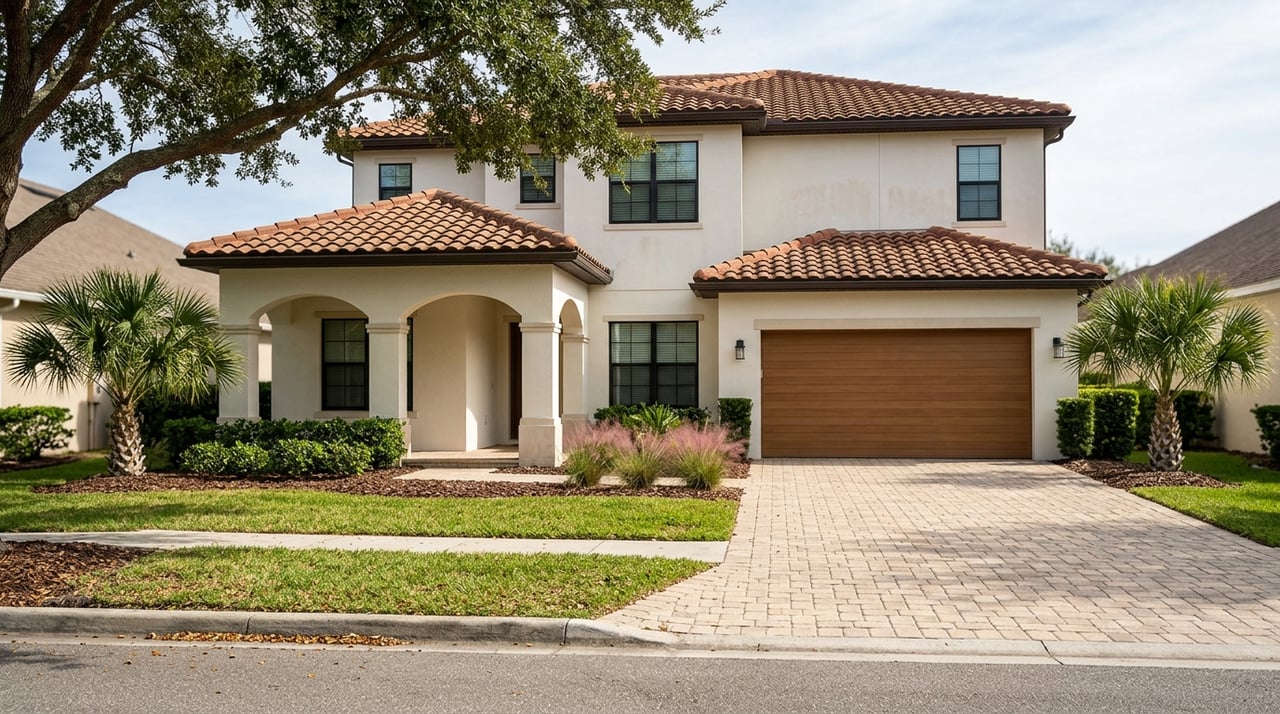
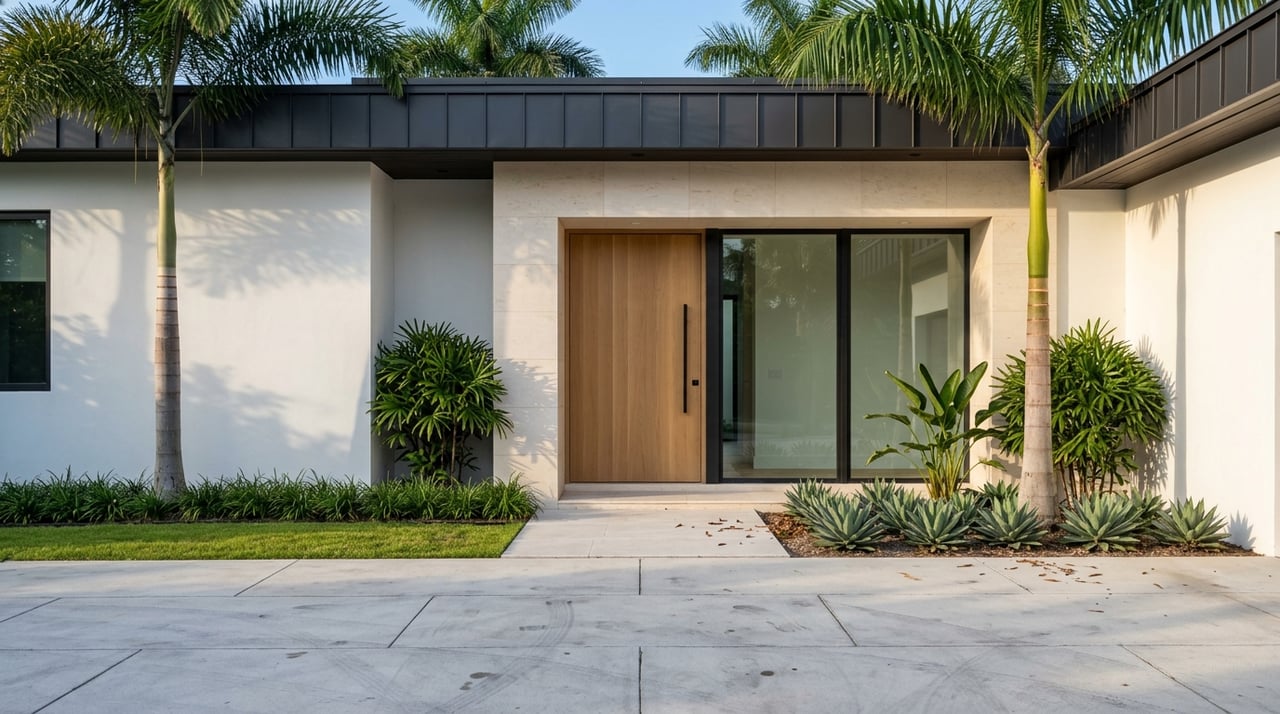
- Curb appeal: Landscaping, entry details, and driveway appearance shape first impressions.
We talk through presentation early because the way a home shows in person and online can support the pricing story in a very meaningful way.
Market Value Is a Range Before It Becomes a Strategy
The most useful valuation process produces a thoughtful range first and then turns that range into a pricing strategy.
The steps we use to turn value into action
- Set a realistic range: Begin with a narrow span based on comps and condition.
- Identify premium features: Call out what could place the home near the top of that range.
- Review competition: Make sure the number fits the active market.
- Plan the launch: Align pricing with timing, prep, and marketing.
This approach leaves room to interpret the home’s exact strengths, the current inventory, and the level of presentation before choosing the best list price.
FAQs
What is the most important factor in determining home value?
The most important factor is usually the combination of location within the community and the condition of the home. A great lot with updated interiors often performs very differently from a similar floor plan with fewer improvements.
Can I rely on an online home value estimate?
It can be a helpful starting point, though it should not be the final word. Many auto-valuation tools include subjective adjustments added by owners on their home profile. These aren’t always accurate. Also, automated tools may overlook features such as lot quality, golf frontage, and renovation level.
How often should I check my home’s market value?
It depends on your goals and timing. Many homeowners check value when planning a move, considering updates, or simply wanting a clearer sense of where their property stands in the market.
Contact Us Today
We know that good pricing starts with local context, and that is especially true in a place where walkability, outdoor living, and community character all influence how homes are perceived.
By working with a localized agent, you gain the breadth, depth, and specificity of their knowledge. Local sales history and pricing lore are not isolated numbers but rather part of the grand scheme. This intimate, “on the ground” knowledge can’t be replaced by an automated valuation tool.