Westchase's HOA Fee Isn't One Number, It's Three, and They Don't Share a Billing Cycle
September 24, 2026
September 24, 2026
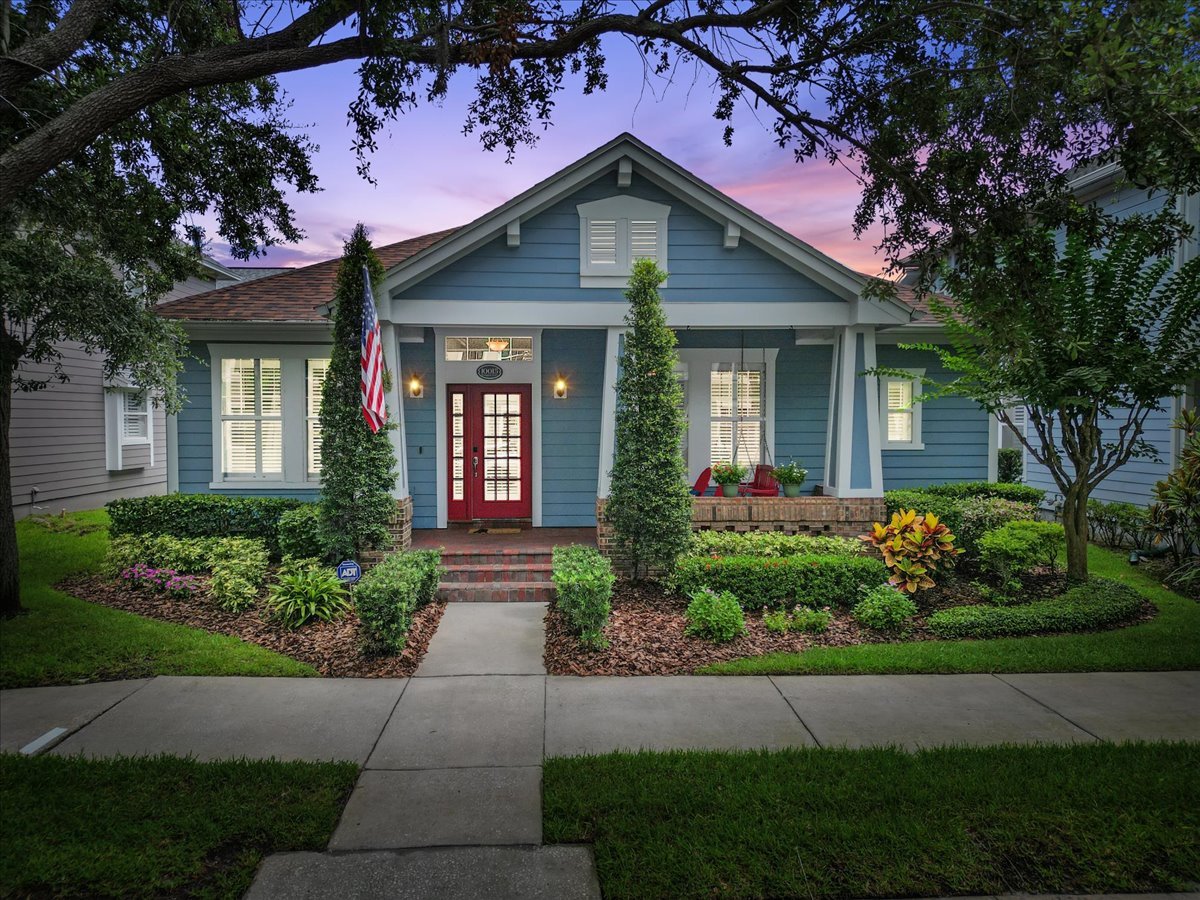
Westchase looks, from the portal search results, like one community with one HOA. It isn't. Depending on which of its roughly thirty named villages you're looking at, a Westchase address can carry up to three separate recurring assessments, billed on three different schedules, by three different entities, none of which appear together on the same document. Understanding how those layers stack, and which villages carry which layers, is the difference between comparing two homes accurately and comparing two homes that only look comparable.
The Westchase Community Association, known locally as the WCA, is the master homeowners association for the entire 2,000-plus-acre community. Every address inside Westchase pays into it, and for 2026 that assessment is $477 a year, effective January 1. The WCA budget meeting this Fall will decide the 2027 annual assessment which is paid forward on a January 1 - December 31 fiscal year. The WCA's own notice to residents is explicit that this figure covers the master HOA only, not anything a sub-association might charge on top of it.
The WCA Board decides, line by line, what a $477 fee actually buys: two swim and tennis centers, the community's landscaping contract, and the staff who run both.
The second layer isn't a homeowners association at all. The Westchase Community Development District, or CDD, is a special taxing district created under Florida law. It funds and maintains the conservation areas, retention ponds, roadway medians and neighborhood monuments across the community, and it collects its assessment through Hillsborough County as a non-ad valorem line on your property tax bill rather than through an HOA statement.
The CDD publishes its own adopted budget every fiscal year, and that budget sets a general fund assessment along with village-specific subfunds, which means the CDD line is not the same dollar amount for every Westchase address. Under the district's FY2026 adopted budget, the general fund assessment runs $615 per unit as a base, with total per-unit assessments across villages ranging from roughly $441.80 up to about $1,478.85 depending on unit type, while some West Park Village unit types land closer to $931 for the year. Two homes with identical WCA assessments can still owe meaningfully different amounts once the CDD line is added, and the only place to see the real number is the current property tax bill, not the listing sheet.
One more timing detail matters right now. The Westchase CDD's fiscal year runs October 1 through September 30 paid forward, which means the FY2026 figures above are about to close out within days of this post going live. If you're comparing two Westchase tax bills this fall, check which fiscal year's schedule is actually reflected on the most recent bill before you assume the numbers are apples to apples.
The third layer is the one that catches buyers off guard, because it doesn't exist everywhere. According to the WCA's own government primer, several villages carry a private sub-association on top of the master HOA and the CDD: Traditional & Classic Townhomes of West Park Village, Townhomes of West Park Village, Westchase Station, Berkeley Square, The Enclave, Glencliff, Saville Rowe, Stonebridge, The Vineyards, Woodbridge, The Reserve at West Park Village, Worthington at West Park Village and the Villas of West Park Village. Each of those sub-associations sets and bills its own separate assessment, on top of whatever the WCA and the CDD already charge.
Here's where it gets more granular than a simple village list can capture. The Bridges, one of the larger clusters inside Westchase, is made up of six sub-neighborhoods: Baybridge, Stockbridge, Stonebridge, Sturbridge, Wakesbridge and Woodbridge. Only two of those six, Stonebridge and Woodbridge, are the gated, maintenance-free villa sections that carry the sub-HOA. The other four, sitting on standard single-family lots north of Linebaugh Avenue, answer only to the WCA and the CDD. Two addresses inside the same named cluster, on streets that both show up under "The Bridges" in a listing description, can have entirely different fee structures depending on which of the six sub-neighborhoods the parcel actually sits in.
Every new resident is required to pay a one-time Capital Contribution when you purchase in Westchase equal to $2500.00. It can never be waived for new residents. If you are a current Westchase resident who sells and then buys [in that exact order] the fee can be waived. If you concurrently own two Westchase homes, you must pay it again.
If you're weighing two Westchase listings at the same price, the fee structure is not something to confirm after you've picked a favorite. It's something to map first, because it changes what "the same price" actually means month to month.
Start by asking which village the address sits in, not the broader cluster name. Then ask three questions in order: what is the current WCA master assessment status on the account, is this village one of the eight with a sub-association and if so what does that sub-HOA charge separately, and what does the non-ad valorem CDD line show on the most recent Hillsborough County tax bill. An estoppel letter from the WCA will confirm the master account is current. If a sub-association applies, its management company (Terra Management Services handles Stonebridge and Woodbridge, for example, while Inframark manages the WCA itself) can issue its own estoppel showing what it separately bills and whether reserves are healthy.
None of this shows up as a single line on a listing sheet, which is exactly why it's worth pulling before you write an offer rather than after you're already under contract and staring at a closing disclosure that doesn't match what you budgeted.
Does every Westchase home have all three fee layers? No. Every address pays the WCA master assessment and falls under the CDD's tax bill line. Only about 14 of Westchase's named villages add a third, private sub-association fee on top.
Where do I actually find the CDD amount for a specific address? It appears as a non-ad valorem assessment on the property's Hillsborough County tax bill. The Westchase CDD also publishes its adopted budget and per-unit assessment schedule directly on its own site each fiscal year.
What does the $477 WCA assessment actually pay for? It funds the two community swim and tennis centers, the WCA's landscaping contract, and the staff and management company that run the association. It does not include anything a sub-association bills separately.
Fee layers like this are exactly the kind of detail that's easy to miss from a listing photo and expensive to miss at the closing table. If you're comparing Westchase villages and want someone to actually pull the estoppel letters, the sub-HOA docs and the current tax bill before you write an offer, The Pithers Group has spent years working these streets and knows which questions to ask before you're the one asking them.
Stay up to date on the latest real estate trends.

Whether you're a first-time buyer or a seasoned investor, connecting with us means staying ahead of the curve. Contact the Pithers Group today and unlock a world of possibilities.